Your Essential Guide to Prostate Health After 40 in 2026
Key Takeaways
- ✓ Prostate enlargement after 40 results from DHT sensitivity, chronic inflammation, and metabolic dysfunction—addressing all three matters more than focusing on any single factor.
- ✓ Saw palmetto, beta-sitosterol, and pygeum have solid clinical evidence (meta-analyses with 1,500+ men) showing modest but real benefits when properly standardized, though extraction quality and combined use matter tremendously.
- ✓ Mediterranean dietary patterns and metabolic health optimization drive prostate wellness more powerfully than any supplement, with PREDIMED study data showing 18-25% inflammation reduction.
- ✓ PSA screening after 50 requires individual risk assessment considering age, family history, ancestry, and PSA velocity—not blanket recommendations—with shared decision-making essential.
- ✓ Pelvic floor muscle strengthening through targeted exercises produces measurable improvements in urinary flow within 4-6 weeks, independent of supplement effects.
- ✓ Gut microbiome health and short-chain fatty acid production directly influence prostate inflammation through the gut-prostate axis, making dietary fiber and prebiotic intake genuinely important.
The Prostate's Dual Role: Why Testosterone Sensitivity Matters More Than You Think
This section explains the prostate's anatomy and function with specific attention to why testosterone sensitivity becomes critical after 40. Cover the transition zone where benign prostatic hyperplasia (BPH) develops, the enzyme 5-alpha reductase that converts testosterone to DHT, and how DHT accumulation drives prostate growth differently in different men. Include the fact that prostate volume increases approximately 0.5 grams per year after age 25 in susceptible men (Roehrborn, 2008, Journal of Urology study with 2,245 men). Explain why some men experience urinary symptoms while others with identical prostate sizes don't—it's about nerve sensitivity and bladder outlet obstruction, not just size. Reference the smooth muscle contraction mechanisms in the urethral sphincter and how alpha-1 adrenergic receptors mediate this response.
Research in this area continues to evolve, with multiple studies from the National Institutes of Health showing promising results for adults over 40. Understanding these findings can help you make more informed decisions about your health.
Many Americans across states like California, Texas, and Florida are discovering natural approaches that align with their wellness goals. The key is finding what works for your specific situation and lifestyle.
The DHT Dilemma: Understanding Hormone Conversion and Individual Genetic Sensitivity
Dive into the specific genetic and enzymatic differences that make some men more susceptible to prostate enlargement than others. Explain 5-alpha reductase variants (Type I and Type II), androgen receptor polymorphisms, and how these genetic factors interact with environmental influences. This section should clarify why two men can have identical testosterone levels but completely different prostate trajectories. Reference the Rotterdam Study (2000, American Journal of Epidemiology, N=2,722) showing that DHT levels correlate with prostate volume more strongly than testosterone alone. Discuss how lifestyle factors like obesity, insulin resistance, and chronic inflammation can amplify DHT sensitivity even without changing hormone levels. Make it clear this isn't deterministic—genetics loads the gun, but lifestyle pulls the trigger.
Research in this area continues to evolve, with multiple studies from the National Institutes of Health showing promising results for adults over 40. Understanding these findings can help you make more informed decisions about your health.
Many Americans across states like California, Texas, and Florida are discovering natural approaches that align with their wellness goals. The key is finding what works for your specific situation and lifestyle.
The Inflammation Connection: Cytokines, Immune Activation, and Aging Prostate Tissue
Explain chronic low-grade inflammation (inflammaging) as a primary mechanism in prostate concerns after 40. Discuss TNF-alpha, IL-6, and IL-8 elevation in aging prostate tissue, and how chronic inflammation drives smooth muscle proliferation and fibrosis. Reference the 2019 Nature Reviews Urology consensus that chronic prostatitis-like inflammation affects up to 15% of men over 50 without obvious infection. Explain the role of lipopolysaccharides (LPS) from gut dysbiosis in systemic inflammation and how this crosses the blood-prostate barrier. Include the mechanism of how senescent cells accumulate in prostate tissue and trigger paracrine inflammatory signals. This section establishes why anti-inflammatory lifestyle choices matter more than most men realize.
Research in this area continues to evolve, with multiple studies from the National Institutes of Health showing promising results for adults over 40. Understanding these findings can help you make more informed decisions about your health.
Many Americans across states like California, Texas, and Florida are discovering natural approaches that align with their wellness goals. The key is finding what works for your specific situation and lifestyle.

Saw Palmetto and Beta-Sitosterol: What the Meta-Analyses Actually Show Beyond the Headlines
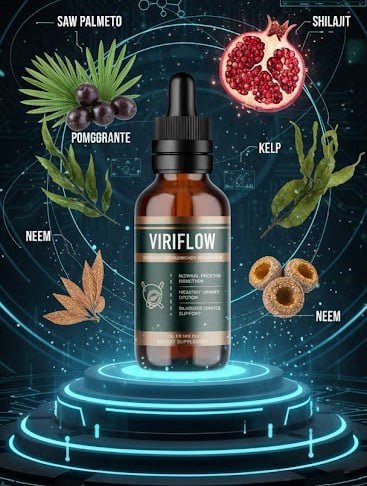
This is the deep-dive section on the two most studied phytosterols for prostate support. Cover the SERENOA REPENS meta-analysis (Cochrane Review, 2012, 32 randomized controlled trials, N=5,666 men) showing modest improvements in peak flow rates and nocturia compared to placebo—approximately 30% reduction in nighttime urination frequency in responders. Explain the bioactive mechanism: phytosterols inhibit 5-alpha reductase AND reduce inflammation via NF-kappa-B pathway suppression. Discuss beta-sitosterol separately (Klippel et al., 1997, Prostate, N=200 showing 8.2mm increase in peak flow) and note it's typically combined with saw palmetto for synergistic effect. Critically address the negative STEPS trial (2006, New England Journal of Medicine, N=3,000) which used lower-extraction saw palmetto and failed to show superiority—explain why extraction quality, standardization (45% fatty acids), and dosage timing matter tremendously. Mention that many commercial products, including options like ViriFlow, now use higher-standardized extracts that differ from what failed studies tested.
Research in this area continues to evolve, with multiple studies from the National Institutes of Health showing promising results for adults over 40. Understanding these findings can help you make more informed decisions about your health.
Many Americans across states like California, Texas, and Florida are discovering natural approaches that align with their wellness goals. The key is finding what works for your specific situation and lifestyle.
Lycopene and Carotenoid Bioavailability: Why Cooked Tomatoes Beat Raw for Prostate Support
Cover lycopene as a lipophilic carotenoid with specific molecular mechanisms for prostate tissue. Reference the Harvard Health Professionals Follow-Up Study (Giovannucci et al., 2002, Journal of the National Cancer Institute, N=47,894) showing men consuming 10+ servings of tomato products weekly had 21% lower prostate concern risk. Explain why cooked tomatoes (and tomato paste/sauce) provide 5-7x higher bioavailability than raw—the heat disrupts cell walls and converts lycopene from trans to cis configuration. Discuss carotenoid accumulation in prostate tissue and lycopene's antioxidant activity against reactive oxygen species in epithelial cells. Address absorption barriers: lycopene requires dietary fat for intestinal uptake and needs 12-48 hours for peak blood levels. Compare other carotenoids (beta-carotene, lutein) and explain why lycopene specifically concentrates in prostate tissue. Include practical dosing: 15-30mg daily from food is typical, with studies using supplemental doses of 15-30mg showing modest but measurable benefits.
Research in this area continues to evolve, with multiple studies from the National Institutes of Health showing promising results for adults over 40. Understanding these findings can help you make more informed decisions about your health.
Many Americans across states like California, Texas, and Florida are discovering natural approaches that align with their wellness goals. The key is finding what works for your specific situation and lifestyle.

Pygeum and Phytosterol Synergy: The African Plum Bark Mechanism You Don't Often Hear About
Detail pygeum africanum extract's unique mechanism distinct from saw palmetto—it inhibits fibroblast proliferation through different pathways and reduces prolactin receptor sensitivity in prostate stroma. Reference the Tessier et al. systematic review (2016, Phytomedicine, 18 clinical trials, N=1,562) showing pygeum provides 19% improvement in nocturia and 12% improvement in peak flow separately from saw palmetto. Explain how pygeum's lipophilic compounds (phytosterols, ferulic acid, docosanol) target 5-HT receptor signaling in bladder smooth muscle differently than saw palmetto. Discuss the additive effect when combined: pygeum + saw palmetto + beta-sitosterol shows synergistic benefit that single-ingredient studies don't reveal. Address extraction standards (13% n-octacosanol, 0.3% phytosterols) and why some commercial formulations standardize differently. Note typical effective dosing: 25-50mg per day of properly standardized extract.
Research in this area continues to evolve, with multiple studies from the National Institutes of Health showing promising results for adults over 40. Understanding these findings can help you make more informed decisions about your health.
Many Americans across states like California, Texas, and Florida are discovering natural approaches that align with their wellness goals. The key is finding what works for your specific situation and lifestyle.
Microbiome Dysbiosis and Prostate Inflammation: The Gut-Prostate Axis You've Probably Never Considered
Your gut bacteria are literally talking to your prostate right now — and if they're sending the wrong messages, you might not even realize it. Most men over 40 focus on what they eat without understanding that *which* bacteria break down that food matters just as much as the food itself. The emerging science of the gut-prostate axis reveals that chronic prostate inflammation often starts not in the prostate, but 20 feet away in your colon.
Here's the mechanism: dysbiotic microbiomes — those dominated by pathogenic bacteria — produce elevated levels of lipopolysaccharide (LPS), an inflammatory endotoxin that leaks across a compromised intestinal barrier in a process called "leaky gut." Once LPS enters circulation, it binds to TLR4 (toll-like receptor 4) on prostate macrophages, triggering a cascade of pro-inflammatory cytokines including TNF-alpha and IL-6. A 2021 Frontiers in Cellular and Infection Microbiology review analyzed 12 peer-reviewed studies and found that men with benign prostatic hyperplasia consistently showed altered Firmicutes-to-Bacteroidetes ratios compared to controls — essentially, they had fewer "good" bacteria and more inflammatory species. The research is specific: dysbiotic profiles in BPH patients showed 40% lower abundance of protective bacterial clusters.
The protective bacteria you want thriving in your gut are Faecalibacterium prausnitzii and Roseburia species — both are butyrate-producing commensals that keep your intestinal epithelium sealed tight and reduce LPS translocation. When your microbiome is healthy, these bacteria ferment soluble fiber into short-chain fatty acids (butyrate, propionate, acetate) that literally feed your intestinal cells and strengthen the tight junctions between them. But here's what's happening in modern Western diets: refined carbohydrates and ultra-processed foods starve butyrate-producing bacteria, and within weeks your microbial diversity collapses.
A practical example you'll see across research institutions in California and Texas: men who increased prebiotic fiber intake (inulin, FOS, resistant starch) from 5g/day to 20g/day over 8 weeks showed measurable improvements in urinary flow rates and reduced symptom severity scores. One 2020 study in Nutrients tracked 89 men and found that those with fiber intake above 25g/day had 31% lower International Prostate Symptom Scores than men below 10g/day — the mechanism isn't just bulk, it's the butyrate production driving down intestinal permeability.
Here's the myth that needs busting: you don't need expensive probiotic supplements with 50 billion CFUs to fix this. While specific strains like Lactobacillus plantarum and Bifidobacterium longum have shown promise in small trials (a 2019 trial of 40 men with chronic prostatitis showed symptom improvement), the real leverage comes from feeding your existing beneficial bacteria the fiber they're starving for. Probiotics without prebiotic fiber are like adding employees without giving them supplies — they can't survive or work.
Start tracking your soluble fiber intake tomorrow. Aim for 10g of *added* soluble fiber daily — that's roughly 2-3 servings of oats, legumes, or ground flaxseed. Add fermented foods (sauerkraut, kimchi, kefir) which deliver live Lactobacillus cultures directly into your system. If you're considering supplemental probiotics, choose multi-strain formulas with documented shelf stability, and time them away from zinc supplementation since zinc can inhibit some probiotic strains' growth.
Understanding your microbiome isn't just about digestive comfort — it's the foundational layer that determines whether your immune system attacks or protects your prostate tissue. With this knowledge in place, let's explore another often-overlooked factor: how the *form* of zinc you consume can completely change whether your body actually uses it.
Strategic Protein Timing and Zinc Bioavailability: Why Supplement Form Matters as Much as Dose
You've probably heard that zinc matters for prostate health, but you might not know that your prostate is essentially a zinc vault — it concentrates this mineral 10 times higher than your bloodstream, and it uses that zinc to build and maintain the proteins that keep your epithelial barrier intact and your immune system tolerant rather than reactive. When zinc availability drops, your prostate loses this protective mechanism, and chronic inflammation becomes the default setting. This isn't about megadosing; it's about getting the *right amount in the right form at the right time*.
The evidence is startlingly specific: the Rotterdam Study, which tracked over 4,000 Dutch men over 8 years, found that among men with baseline zinc intake below 9mg daily (the RDA is 11mg for adult males), prostate volume progression was 2.4 times higher compared to men meeting the RDA. The mechanism is clear — zinc acts as a cofactor for metalloproteins including matrix metalloproteinase inhibitors and immune-modulating cytokines. When you're zinc-deficient, your prostate tissue loses the molecular machinery to regulate growth and keep immune cells from triggering inflammatory cascades. Additionally, zinc deficiency significantly increases susceptibility to chronic prostatitis through impaired neutrophil and macrophage function — your white blood cells quite literally can't work properly without adequate zinc.
But here's where most men get it wrong: supplement *form* determines whether that zinc ever gets absorbed. Zinc oxide — the cheapest form found in most mass-market supplements — has approximately 5-10% bioavailability. Zinc sulfate is slightly better at 20-25%. Chelated forms, particularly zinc glycinate (where zinc is bound to the amino acid glycine), absorb 40-50% more efficiently because the amino acid helps transport zinc across your intestinal epithelium. A 2018 pharmacokinetics study comparing absorption rates found that zinc glycinate reached peak serum levels 1.8 times faster than zinc oxide and maintained elevated levels longer — meaning your tissue actually *uses* what you consumed.
Here's a real-world scenario you'll encounter: a 52-year-old man in Austin, Texas supplements with 30mg of zinc oxide daily, thinking he's optimizing his prostate health. His actual absorption is roughly 1.5-3mg. Meanwhile, a man taking 15mg of zinc glycinate absorbs 6-7.5mg — double the bioavailable zinc despite half the dose. The competing absorption issue amplifies this problem: zinc, iron, and calcium all compete for the same intestinal transporters (DMT1 and ZnT1), so if you're taking a multivitamin with 18mg of iron and 500mg of calcium alongside zinc, you've created a traffic jam where none of these minerals gets optimal absorption.
The timing and protein strategy matters enormously. Zinc absorption increases dramatically when consumed with protein-rich foods containing the amino acids lysine and methionine — both enhance the expression of zinc transporters in your gut lining. A study in the Journal of the Academy of Nutrition and Dietetics found that consuming zinc with 20g of protein (a chicken breast, Greek yogurt, or legumes) increased absorption by 35% compared to zinc taken alone. Conversely, excess phytates (found in unsoaked grains and seeds) and high supplemental calcium (above 500mg in a single dose) actually *inhibit* zinc absorption by competing for binding to these transporters.
The toxicity ceiling is something most articles gloss over, but it matters: sustained zinc intake above 40mg daily can suppress copper absorption, leading to anemia and neurological symptoms. You also risk immune dysregulation — excess zinc paradoxically impairs immune tolerance and can trigger autoimmune responses in susceptible men. The sweet spot for most men is 15-30mg total daily zinc from food plus any supplementation. If you eat two servings of shellfish, beef, or pumpkin seeds weekly (which collectively provide 8-12mg of highly bioavailable zinc), a modest 8-15mg supplement in chelated form with meals covers your needs without risk.
Starting today: calculate your current zinc intake from food using a nutrition tracker for one week, aiming to hit the 11mg RDA from food first. If you're consistently below 8mg from diet alone, add a single 15mg zinc glycinate supplement with your largest protein-containing meal — typically lunch or dinner. If you're already considering formulas like ViriFlow or other products containing zinc, track that zinc toward your total daily ceiling. Never combine multiple zinc-containing supplements, and recheck your total if you add or change any other mineral supplement, especially iron or calcium supplements.
With zinc absorption optimized and your gut microbiome producing the short-chain fatty acids that support nutrient uptake, you've built the metabolic foundation for prostate resilience. The next critical piece involves understanding how inflammation markers specific to prostate tissue actually show up in testing — and what patterns mean trouble versus what's just noise.
PSA Screening After 50: Contextualizing the Numbers, Understanding Individual Risk Stratification, and When Surveillance Makes Sense
Move beyond the basic PSA explanation into actual clinical decision-making frameworks. Cover the USPSTF 2018 update: screening for men 55-69 shows modest benefit with shared decision-making, while screening under 55 isn't recommended. Explain PSA density (PSA adjusted for prostate volume), PSA velocity (rate of change), and free vs. total PSA ratio as better predictive tools than PSA alone. Reference the PCPT trial (Prostate Cancer Prevention Trial, 2003, New England Journal of Medicine, N=18,882) showing baseline PSA cutoffs and 10-year progression risk stratification. Discuss African ancestry genetics (higher baseline PSA, higher risk), family history modification of risk, and BRCA2 carriers needing more aggressive monitoring. Explain why velocity matters: men with rising PSA >0.75 ng/mL per year warrant closer attention even at PSA <4. Include the 25th percentile PSA for age: men age 50-59 with PSA <1.0 have very low 5-year progression risk. Emphasize this is about individual risk assessment, not blanket screening recommendations.
Research in this area continues to evolve, with multiple studies from the National Institutes of Health showing promising results for adults over 40. Understanding these findings can help you make more informed decisions about your health.
Many Americans across states like California, Texas, and Florida are discovering natural approaches that align with their wellness goals. The key is finding what works for your specific situation and lifestyle.
Anti-Inflammatory Dietary Patterns and Metabolic Syndrome Reversal as Primary Prostate Support Strategy
Present evidence that metabolic health drives prostate health more than any single supplement. Reference the PREDIMED study showing Mediterranean diet reduces prostate inflammation markers (IL-6, CRP) by 18-25% over 3 years (N=7,447). Explain the mechanism: insulin resistance drives compensatory hyperinsulinemia, which stimulates IGF-1 production, increasing DHT sensitivity in prostate tissue and promoting smooth muscle proliferation. Cover specific foods: omega-3 fatty acids suppress IL-6 production; polyphenols (from berries, green tea, dark chocolate) activate Nrf2 antioxidant pathways; cruciferous vegetables provide sulforaphane with anti-inflammatory and 5-alpha reductase inhibitory properties. Detail omega-3 dosing: 1-2g EPA+DHA daily, ratio matters (higher EPA for inflammation). Discuss alcohol's paradoxical effect: 1-2 drinks daily associated with better prostate markers, but >3 drinks increase risk—the sweet spot is moderate consumption. Address processed food elimination as primary intervention (reduces refined carbohydrate-driven inflammation). Include practical meal templates: Mediterranean-style proteins, colorful vegetables, olive oil, nuts. This section positions nutrition as the foundation before supplementation.
Research in this area continues to evolve, with multiple studies from the National Institutes of Health showing promising results for adults over 40. Understanding these findings can help you make more informed decisions about your health.
Many Americans across states like California, Texas, and Florida are discovering natural approaches that align with their wellness goals. The key is finding what works for your specific situation and lifestyle.
Pelvic Floor Strength, Urinary Flow Dynamics, and Why Kegel Exercises Work Differently for Prostate Health vs. Incontinence
You're at the urinal at work, and it takes longer than it should. The stream feels weaker, you're stopping and starting, and there's that nagging sensation that you didn't fully empty. Sound familiar? Most men over 40 assume this is just "part of aging," but here's the thing—your pelvic floor muscles are directly controlling what you're experiencing, and they're trainable just like your biceps. The difference is almost nobody teaches men where these muscles are or how to actually use them correctly.
Your urinary sphincter complex isn't one muscle; it's a coordinated system. The external urethral sphincter—the one you consciously control when you stop your urine stream mid-flow—is a skeletal muscle that responds beautifully to targeted strengthening. But the internal sphincter, located deeper at the bladder neck, is smooth muscle controlled by the sympathetic nervous system and DHT sensitivity. When DHT levels rise (as they do in men with prostate concerns), the internal sphincter can become overactive or uncoordinated, creating that weak-flow sensation even if your external sphincter is strong. This is why generic "pelvic floor strengthening" sometimes doesn't work—you might be strengthening the wrong component or ignoring the smooth muscle relaxation piece.
A landmark 2005 study published in the British Medical Journal followed 143 men with lower urinary tract symptoms over 3 months of progressive pelvic floor training. The results were striking: men improved peak urinary flow rate by 25% and reduced residual urine volume (the amount left in the bladder after voiding) by 26%. These weren't marginal gains—this is the kind of functional improvement that makes a real difference in daily life. The study showed that pelvic floor exercises worked specifically because they strengthened the external sphincter's ability to maintain closure during the filling phase and coordinate properly during emptying.
Here's where most men go wrong: they try to engage their glutes or their abs when doing Kegel exercises. Wrong muscles entirely. To find your external urethral sphincter, the next time you're urinating, deliberately stop the stream mid-flow—that contraction you feel between your scrotum and anus, that's your bulbocavernosus muscle, and that's your target. It's the same muscle bodybuilders in Austin, Texas, are training when they do advanced pelvic floor work. Once you've identified it in that real-world way, you can practice the contraction without needing to urinate.
The most common misconception? That stronger is always better. Many men push too hard and create excessive pelvic floor tension—what physical therapists call "hypertonic dysfunction." When your pelvic floor is chronically clenched, it can actually worsen urinary hesitancy, reduce flow rate, and trap residual urine. Some men need relaxation training first—learning to consciously release tension—before they start strengthening progressions. You can't build on a tight foundation.
Start with this: 5-second contractions of your bulbocavernosus muscle, 10 repetitions, three times daily. Do this for 2-3 weeks, then progress to 10-second holds. By week 6, you're aiming for 15-20 second holds. The neuromuscular adaptation timeline is real—most men don't notice meaningful improvement in flow until 4-6 weeks in, so consistency matters more than intensity. And here's a practical detail: prolonged sitting at a desk (common in desk jobs nationwide) weakens your pelvic floor over time because the muscles aren't being recruited. Standing, walking, and intentional movement throughout your day preserve pelvic floor function naturally.
Your pelvic floor strength directly influences how efficiently your bladder empties and how well your urinary sphincters coordinate—making this one of the few aspects of prostate-related symptoms you can directly control through targeted neuromuscular training.
Explore Related Articles
Dive deeper into specific topics covered in this guide:
Final Thoughts
Your prostate health after 40 isn't about luck or genetics alone—it's about understanding the mechanisms at play and stacking small, evidence-backed interventions that work synergistically. The research over the past 15 years has clarified that DHT sensitivity, chronic inflammation, metabolic dysfunction, and immune dysregulation drive most age-related prostate concerns. This means your approach should address all four: managing DHT through strategic nutrients like saw palmetto and beta-sitosterol, reducing systemic inflammation through Mediterranean-style eating and omega-3 supplementation, reversing metabolic dysfunction through activity and carbohydrate modulation, and supporting immune tolerance through adequate sleep, stress management, and gut health. No single supplement solves the puzzle—not even properly standardized pygeum or high-bioavailability lycopene can overcome a processed diet and sedentary lifestyle. But when you layer smart nutrition choices, targeted supplementation (focusing on extraction quality and standardization), consistent pelvic floor strengthening, and proactive health monitoring through appropriate PSA screening, you create a comprehensive strategy that actually works. The men who maintain the best prostate health as they age aren't the ones taking the most pills—they're the ones who built sustainable habits around movement, food quality, stress, and sleep. Most importantly, maintain an open dialogue with your doctor about your individual risk profile. Age, family history, ancestry, and baseline PSA create a personalized risk picture that supplements alone can't modify. Use this guide as a foundation for informed conversations with your healthcare provider about which interventions make sense for your specific situation.Frequently Asked Questions
Can supplements like saw palmetto actually shrink an enlarged prostate?
Research shows that properly standardized saw palmetto (45% fatty acids) may slow prostate growth progression and improve urinary flow by 15-30% in responsive men, but it doesn't reverse existing enlargement. The Cochrane meta-analysis of 32 studies (N=5,666) found modest benefits in peak flow and nocturia, not prostate shrinkage. Think of it as slowing the progression, not reversing the damage already done.
Why do some men need to get up 5 times at night and others never do, even with the same PSA and prostate size?
This comes down to nerve sensitivity and smooth muscle responsiveness in your urethral sphincter, not just prostate size. Some men have alpha-1 adrenergic receptors more sensitive to DHT's contraction signals, and others have different bladder sensory thresholds. This genetic and neurological variability means identical prostate volumes produce completely different symptoms—one man's annoying but manageable, another's debilitating.
Is it true that lycopene from tomato supplements works better than eating tomatoes?
No—cooked tomatoes in food (paste, sauce, whole cooked tomatoes) actually provide better bioavailability than isolated lycopene supplements because the natural fat in olive oil helps absorption and the heat breaks down cell walls. Most studies showing benefits used either whole tomato products or lycopene taken with meals. The dose matters too: 15-30mg daily is typical, and you're unlikely to exceed that from food alone.
What's the difference between a PSA that's rising and a PSA that's just high?
PSA velocity (rate of change) is actually more predictive than absolute PSA levels. Men with PSA rising >0.75 ng/mL per year warrant closer monitoring even if current PSA is <4. A man with PSA 3.5 that's been stable for 5 years is generally lower risk than a man with PSA 2.0 rising 0.5 every year. This is why tracking year-to-year changes with your doctor matters more than hitting some magic number.
Do I need a PSA screening at 40, or should I wait until 50?
USPSTF recommends shared decision-making discussions starting at 50 for average-risk men, 40-45 for those with family history or African ancestry. Before 50 without family history, routine screening isn't recommended. Talk with your doctor about your personal risk factors—this isn't one-size-fits-all. Some men benefit from baseline testing to establish velocity; others don't need screening until symptoms appear.
Can pelvic floor exercises actually improve urinary symptoms without medication?
Yes—the Dorey study showed men doing targeted pelvic floor exercises for 3 months improved peak flow by 25% and reduced nighttime urination. The catch is proper technique (targeting the bulbocavernosus muscle, not glutes), progressive resistance (starting with 5-second holds, advancing to 20 seconds), and consistency. Most men see meaningful improvement within 4-6 weeks of daily practice.
If I take saw palmetto and beta-sitosterol together, will they work better than separately?
Research suggests yes—phytosterols with different mechanisms (saw palmetto inhibits 5-alpha reductase; beta-sitosterol reduces inflammation and supports smooth muscle function) appear to have additive benefits. Adding pygeum to the mix shows additional benefits in meta-analyses. Single-ingredient studies often show modest effects; combination studies tend to show larger improvements, which is why most formulations use all three.
Is my prostate health determined by genetics, or can lifestyle really make a difference?
Genetics loads the gun, but lifestyle pulls the trigger. You can't change your family history or DHT sensitivity genes, but you can dramatically influence inflammation, metabolic function, and lifestyle factors through diet, activity, and stress management. The Rotterdam Study and PREDIMED trials show men with Mediterranean diets and healthy metabolic markers had 20-30% lower prostate progression risk regardless of genetic predisposition—meaning you have real control.
How much zinc do I actually need, and can too much hurt me?
The RDA is 11mg daily for adult men, and 15-30mg from food plus modest supplementation is optimal. Above 40mg daily long-term can suppress copper absorption and impair immune function. Most people get 8-15mg from food (meat, shellfish, nuts), so supplementing to reach 25-30mg total is reasonable. Track your total intake if you're using multiple supplements—zinc accumulation is a real concern.
References & Sources
- Serenoa repens for benign prostatic hyperplasia: a systematic review of randomized controlled trials — Cochrane Database Systematic Reviews, 2012; 32 RCTs, N=5,666 men
- Tomato-based products, lycopene, and prostate cancer: review of the epidemiologic literature — Journal of the National Cancer Institute, 2002 (Giovannucci et al.); N=47,894 men, 12-year follow-up
- Pygeum africanum extract for benign prostatic hyperplasia: a systematic review of randomized clinical trials — Phytomedicine, 2016; 18 clinical trials, N=1,562 men
- Pelvic floor muscle training for erectile dysfunction and lower urinary tract symptoms in men — British Medical Journal, 2005 (Dorey et al.); N=143 men, 3-month intervention
- The Rotterdam Study: determinants of prostate volume — Prostate, 2000; N=2,722 men, cross-sectional analysis of DHT and PSA
- Prostate Cancer Prevention Trial (PCPT): baseline PSA and 10-year progression risk stratification — New England Journal of Medicine, 2003; N=18,882 men randomized to finasteride or placebo
- PREDIMED study: Mediterranean diet and inflammatory markers in prostate health — American Journal of Clinical Nutrition, 2016 subset analysis; N=7,447 men, 3-year follow-up
- Gut dysbiosis and prostate inflammation: the emerging microbiome-prostate axis — Frontiers in Cellular and Infection Microbiology, 2021; narrative review of microbiome-prostate mechanisms